
Open VTS
Self-hosted GPS fleet management platform with one-time licensing and no recurring per-vehicle fees.
Are you the maker? Claim this listing to keep info, pricing and screenshots current. Verified via your tool's domain email.
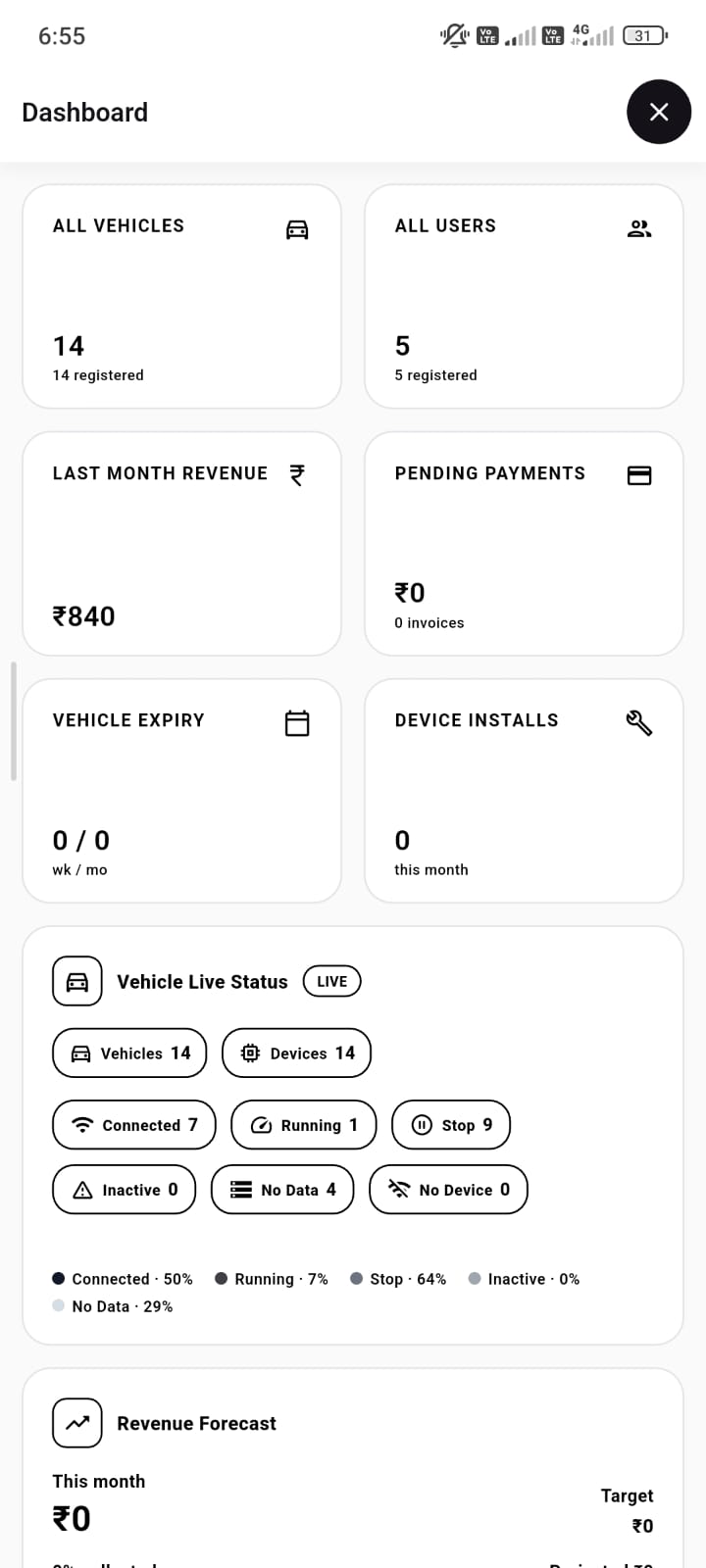
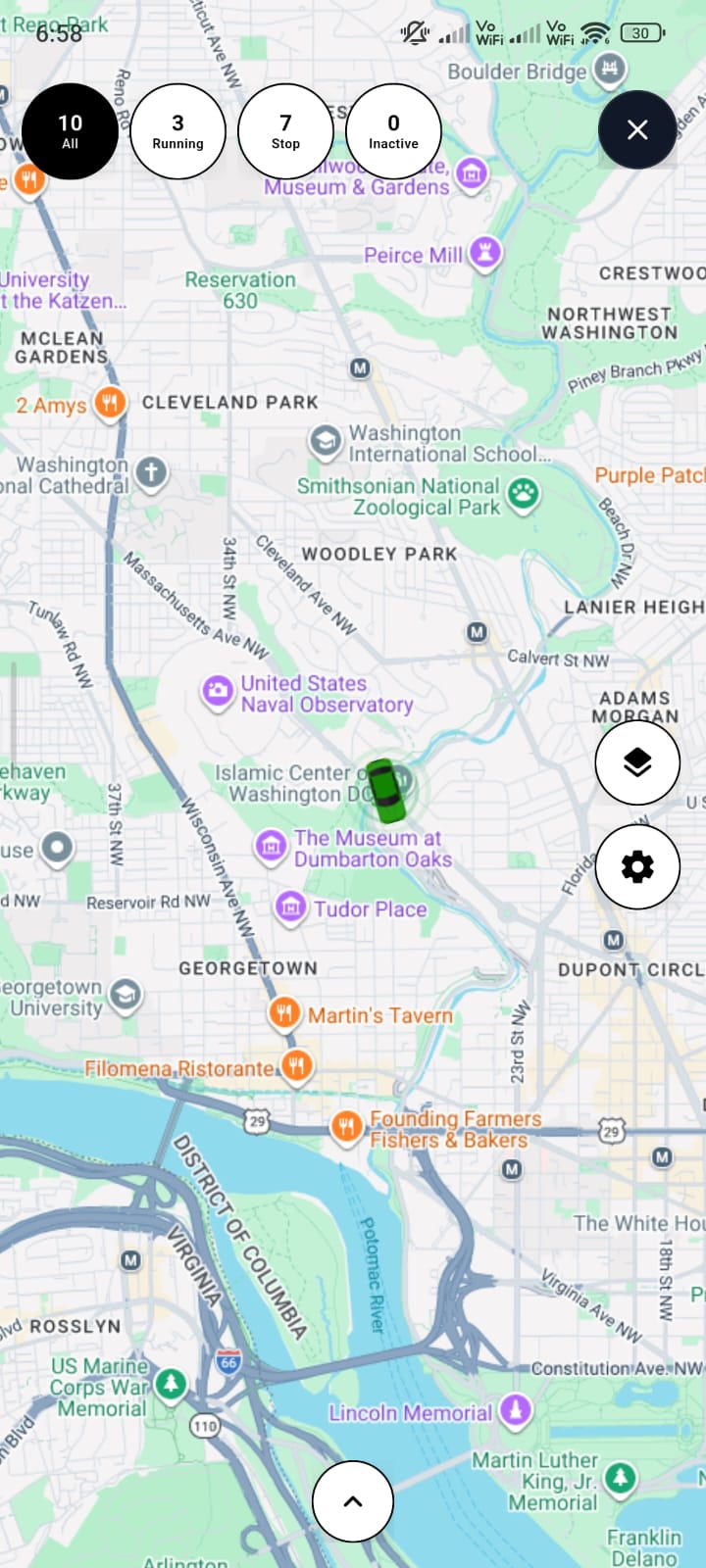
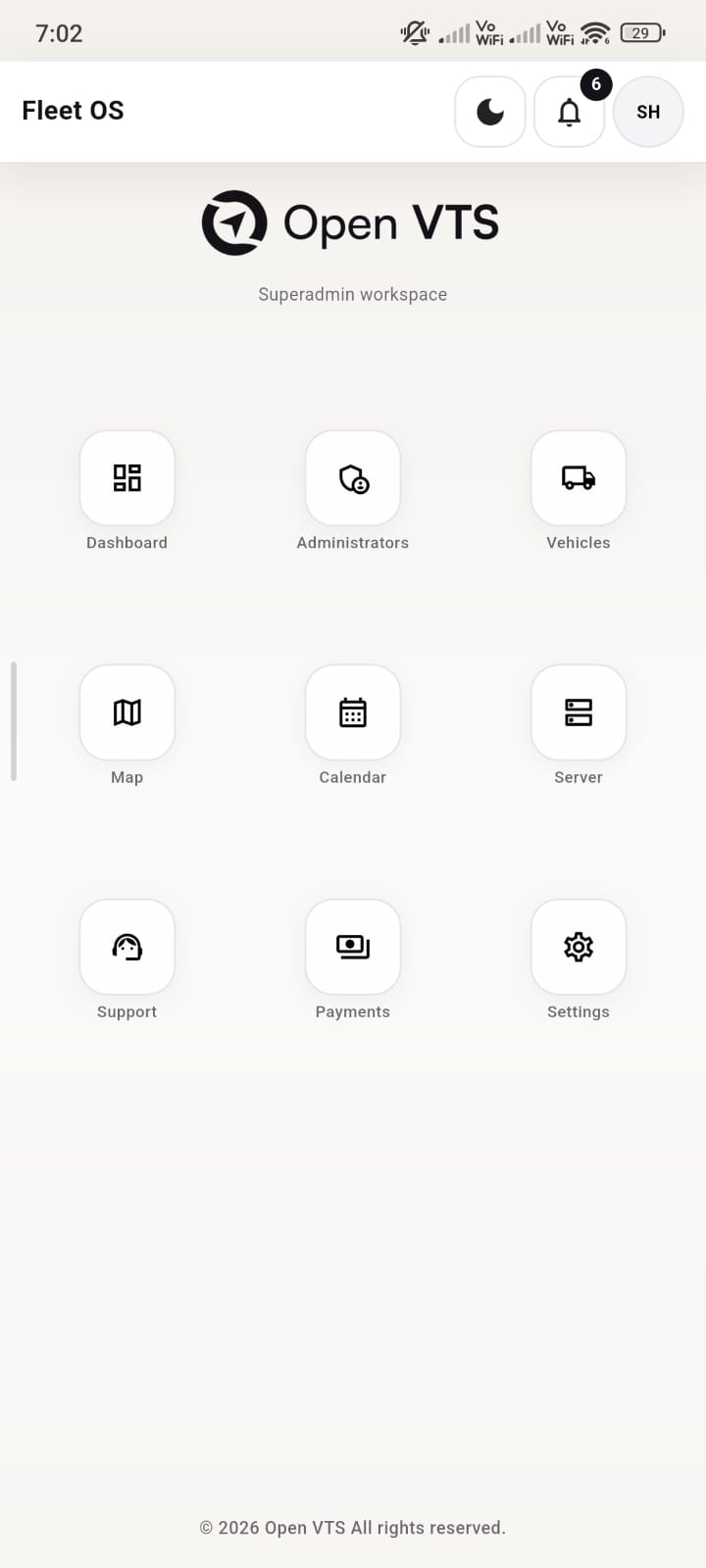
Open VTS is the right call for fleet operators, GPS resellers, and telematics providers who want to own their tracking infrastructure outright and stop paying per-vehicle SaaS fees month after month. The tradeoff is real: you are responsible for your own server, uptime, and ongoing maintenance after the first year of included support expires, which is a burden that subscription SaaS platforms absorb for you. Teams that lack in-house IT capacity or want a managed, zero-ops experience should look elsewhere.
What is Open VTS?
Open VTS is a powerful, self-hosted GPS tracking and fleet management platform designed for businesses that want greater control, flexibility, scalability, and ownership of their vehicle tracking infrastructure.
Built around an ownership-first approach, Open VTS enables organizations to deploy and manage their own GPS tracking system on their preferred server infrastructure instead of depending entirely on a traditional hosted tracking provider. The platform is designed for GPS tracking companies, fleet operators, telematics providers, logistics businesses, system integrators, and organizations managing vehicles, drivers, and field operations.
Open VTS provides real-time vehicle tracking through an interactive live map, vehicle history and route replay, geofencing, alerts and notifications, reports, driver management, trip and operational tools, role-based access control, user hierarchy management, permissions, localization, and administrative controls.
How we scored Open VTS
Capability scores well because the platform covers the full professional fleet stack: live tracking, route replay, geofencing, driver management, multi-level user hierarchy, device and SIM management, and an open API, with genuine hardware independence that subscription competitors often lack. Ease of use takes a hit because self-hosted deployment requires server provisioning and ongoing maintenance, and the absence of a managed-hosting option means onboarding friction is meaningfully higher than cloud-native alternatives; community-only support on the free plan compounds this for smaller buyers. Value is the strongest sub-score: a one-time $3,990 Scale license covering up to 2,500 vehicles is a structurally different and cheaper long-term proposition than paying $15 to $40 per vehicle per month on SaaS, and the free tier for up to 50 vehicles with no expiration is genuinely generous. Delivery scores lower because the post-year-one support terms are unpublished, the main platform source code is not included by default (limiting auditability), and the tool is relatively new with limited independent user review volume to confirm that delivery matches the ownership-first promises made in marketing.
Pros and cons
What we liked
- One-time licensing eliminates recurring per-vehicle SaaS fees: the Scale plan at $3,990 covers up to 2,500 vehicles with no ongoing license cost, a structure that saves large fleets tens of thousands of dollars annually compared to subscription alternatives.
- The free plan supports up to 50 vehicles with full platform features and no expiration date, making it a genuine production option for small fleets rather than a capped trial.
- Hardware-agnostic design means the platform connects to any compatible GPS device on the market, so buyers are not forced into a proprietary tracker ecosystem.
Where it falls short
- After the first year of included support expires on paid plans, ongoing support pricing is not published anywhere on the pricing page, leaving buyers uncertain about the real long-term cost of staying supported.
- The main platform source code is not included by default with any license tier; only the mobile application source is publicly available, which limits how deeply buyers can audit or modify the core system.
- Self-hosted deployment means the buyer owns all infrastructure responsibility: server provisioning, uptime, security patching, and performance tuning are entirely on the buyer's team, with no managed-hosting option listed.
Key features
Open VTS pricing
Four tiers, all one-time payments. Free plan covers up to 50 vehicles at $0 with community support and no expiration. Growth covers up to 300 vehicles for $1,990 one-time. Scale covers up to 2,500 vehicles for $3,990 one-time. Enterprise covers unlimited vehicles for $6,990 one-time. All paid plans include one year of updates and support; after that year, ongoing support costs are not listed on the pricing page.
| Plan | Price | Who it is for |
|---|---|---|
| Free | $0 | Up to 50 vehicles, full platform features, self-hosted deployment, community support, no expiration, no credit card required. |
| Growth | $1,990 | One-time license for up to 300 vehicles, full platform features, self-hosted deployment, 1 year of support included, priority onboarding. |
| Scale | $3,990 | One-time license for up to 2,500 vehicles, full platform features, self-hosted deployment, 1 year of priority support, dedicated onboarding. |
| Enterprise | $6,990 | One-time license for unlimited vehicles, full platform features, self-hosted deployment, 1 year of dedicated support, custom SLA available, custom onboarding. |
Pricing reflects what we saw at time of review (2026-10). Always confirm current pricing on the tool's own site.
Who should use Open VTS?
Open VTS fits organizations that already have, or can provision, server infrastructure and want to stop paying recurring SaaS fees. A GPS tracking company building a white-label service for its own customers gets the most from it: they can brand the platform, manage their own customer hierarchy, and keep all data in-house. A logistics operator running 300 to 2,500 vehicles who has done the math on monthly SaaS costs will find the $3,990 Scale license pays for itself within a few months compared to typical per-vehicle subscription rates of $15 to $40 per vehicle per month.
Small fleets under 50 vehicles can use the free plan to run a real production deployment, not just a trial, which is genuinely unusual in this category. However, anyone without an IT team capable of managing server deployments, handling updates after the first year, and troubleshooting connectivity issues should look elsewhere. ClearCRM or a fully managed SaaS fleet tool will cost more per month but will absorb that operational overhead entirely.
Skip it if: Small teams without in-house IT who need a managed, zero-maintenance SaaS solution.
Open VTS alternatives
Frequently asked questions
Is the source code included with the license?+
The mobile application source code is publicly available under its repository license. The main platform source code is not included by default with any license tier, including Enterprise.
What happens to support after the first year?+
All paid plans include one year of updates and support. The pricing page does not publish renewal or ongoing support pricing after that year, so buyers should confirm post-year-one costs directly with the Open VTS team before purchasing.
Can I run this on any server or cloud provider?+
Yes. Open VTS is self-hosted and designed to deploy on infrastructure you control, including any cloud provider or on-premises server. No managed hosting option is listed.
Does the free plan ever expire?+
No. The free plan covers up to 50 vehicles with full platform features and no expiration date. No credit card is required to get started.
What GPS hardware does Open VTS support?+
The platform is hardware-agnostic and works with any compatible GPS device on the market. Buyers are not required to purchase specific trackers from Open VTS or a designated partner.
How does the one-time pricing compare to typical SaaS fleet tools?+
Standard SaaS fleet platforms typically charge $15 to $40 per vehicle per month. A 200-vehicle fleet on SaaS costs $3,000 to $8,000 monthly; the Open VTS Scale license covering up to 2,500 vehicles costs $3,990 total, one time.
More AI Business Tools
See all categoriesGet your tool listed on 300+ directories.
One listing here is a strong start. But the founders who get discovered everywhere are listed everywhere. Our sister site, Free AI Directories, submits your tool to 300+ AI directories for you, every single one by hand, by a real person.
It is a one-time payment of $49, no subscription, and you can follow along as the submissions land. Prefer the slow route? The same site keeps a free list of 450+ directories you can work through yourself.
Get my tool listed on 300+ directoriesOne-time payment, no subscription · 100% human submissions · Free list of 450+ directories included.